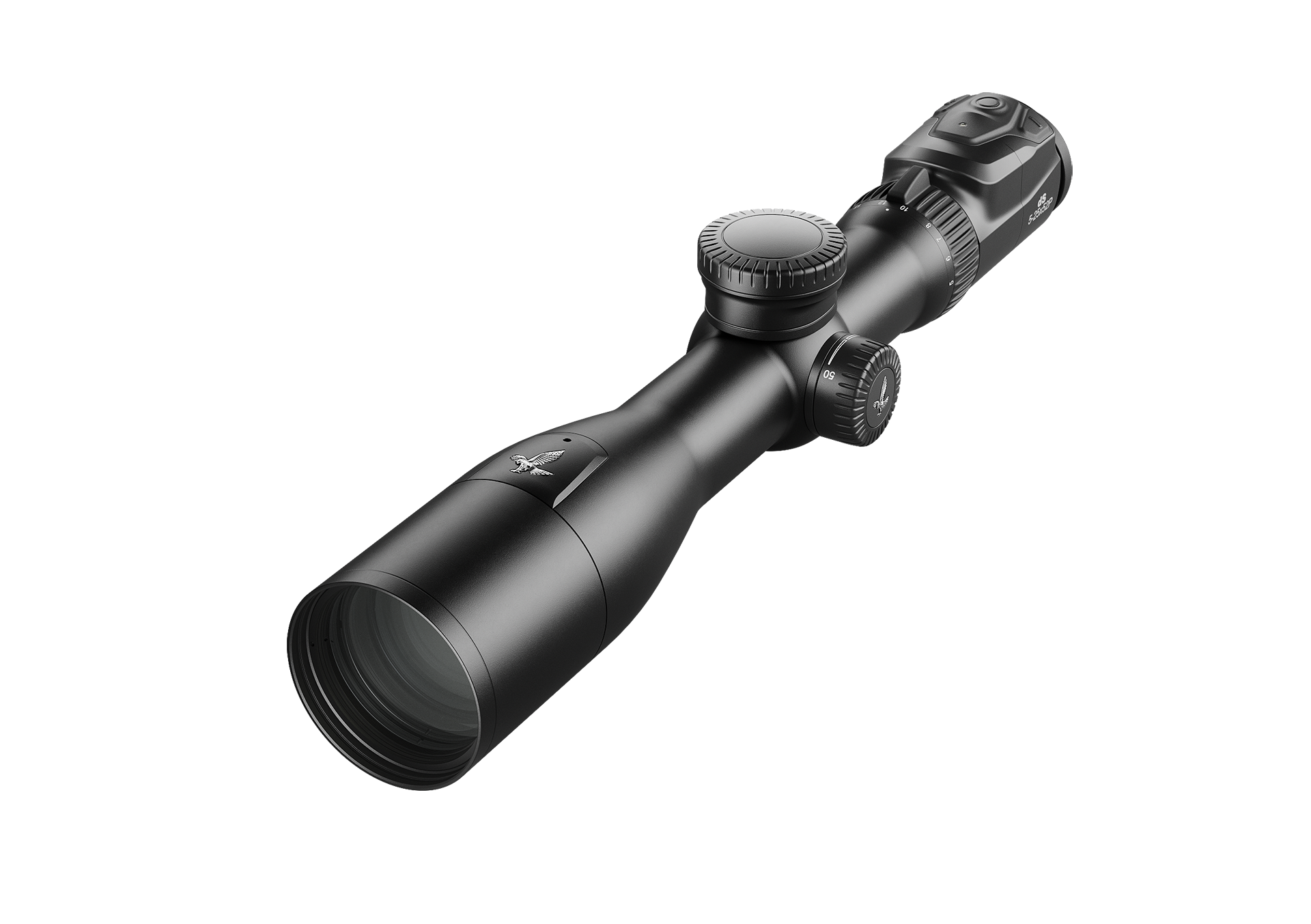
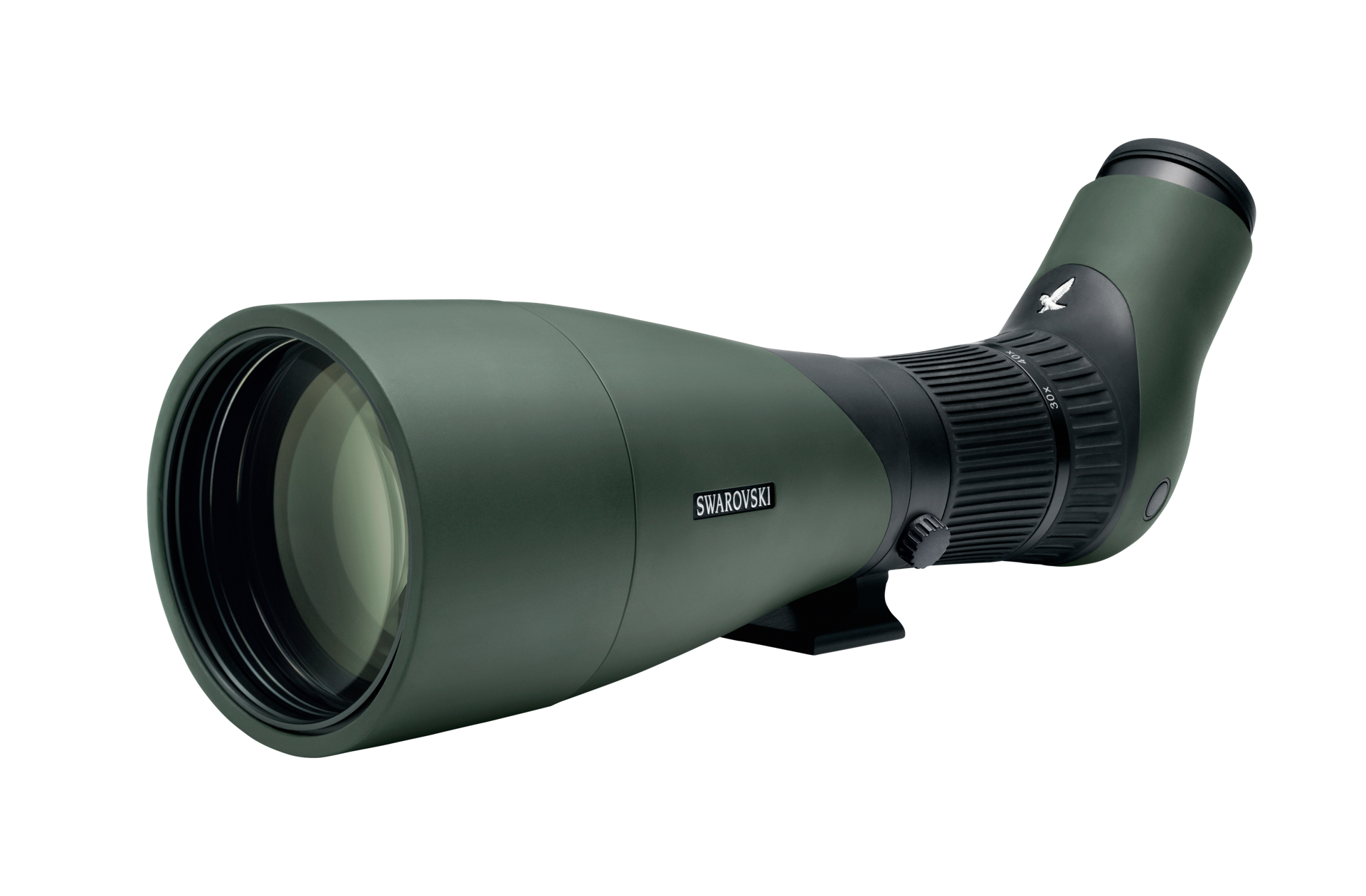
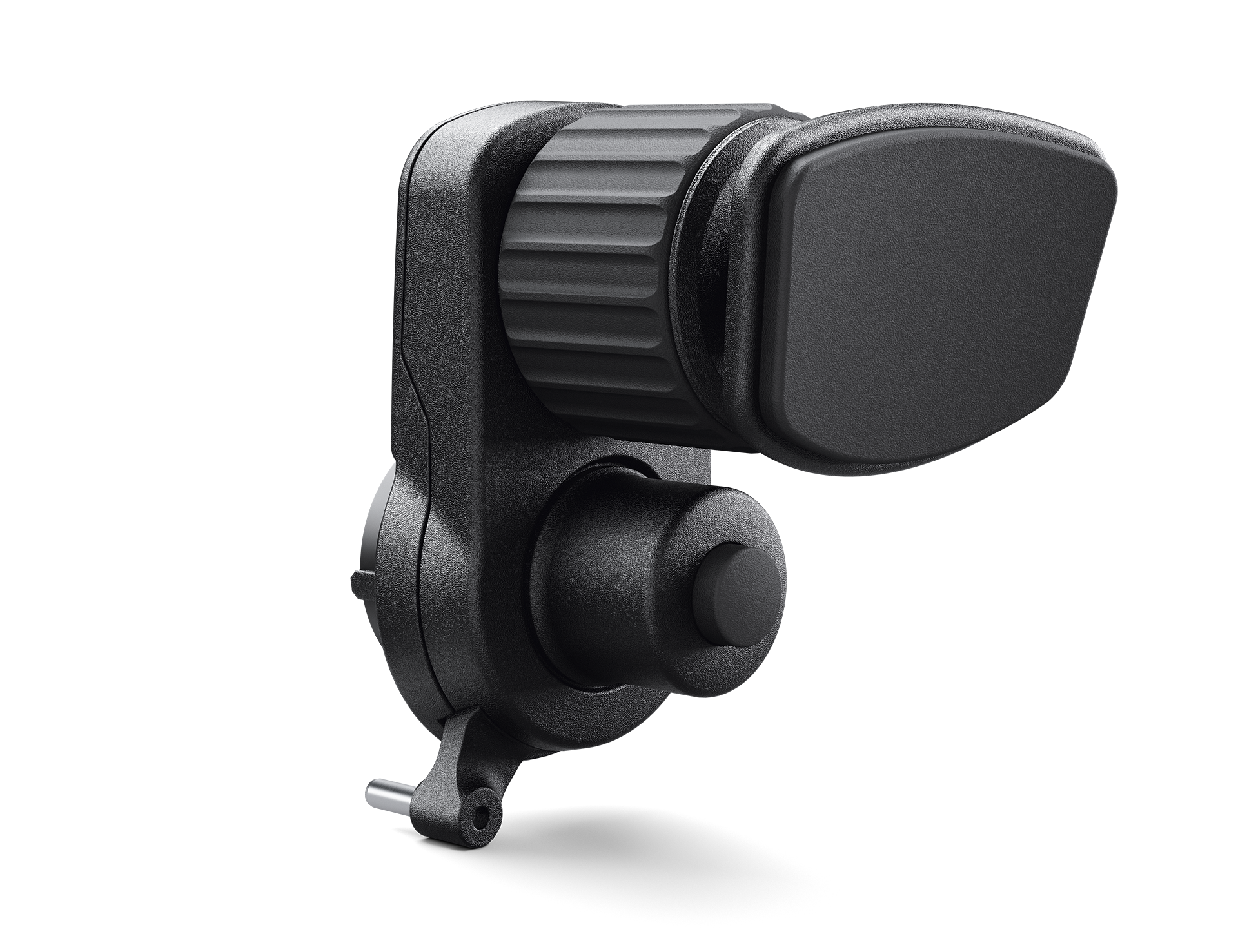
The large selection of different camera systems currently available is sufficient to meet almost any requirement. Whether you want to snap a quick documentary shot when digiscoping or take the time to create artistic animal or landscape photographs, the new adapter system enables you to use both professional SLR cameras and highly functional compact cameras. The long focal lengths (high levels of magnification) enable normally shy animals or distant objects in hard-to-reach places to be photographed over large distances without disturbance.
Compatible cameras
Cameras recommended by SWAROVSKI OPTIK
List of compact digital cameras
List of digital SLR camerass
SWAROVSKI OPTIK digiscoping combinations
There is an easy way to check whether your digital camera is suitable for digiscoping:
Set up a spotting scope using your preferred adapter for either digital compact or SLR cameras (if you do not yet own one, borrow a friend’s or visit your local dealer). Turn the camera on, centre the camera lens behind the spotting scope’s eyepiece, look at the image from the spotting scope on your digital camera’s LCD screen, press the shutter release button halfway down to focus the image and then take the picture. For most compact digital cameras, this will produce an image with slight vignetting. By using the camera’s zoom function, you can prevent vignetting and take full-frame photographs.
Choosing a camera
There are a few important points that need to be borne in mind when choosing the right camera for digiscoping. In principle, you are free to choose from a wide range of differing digital compact and SLR cameras. The main difference between digital SLR cameras and compact digital cameras is that digital SLRs support interchangeable lenses. They also tend to be larger and a little heavier. However, digital SLRs offer more professional functions including higher ISO numbers, a wider range of shutter speeds and the ability to take images in RAW format, depending on the model.
Your specialist dealer will be able to provide you with further advice and demonstrate the camera functions to help you make the right purchase. Both the compact cameras and SLRs currently available offer a considerable number of settings, which can sometimes make the difference between an ordinary photograph and an outstanding one, especially in poor conditions.
Compact digital cameras
Important questions when choosing a compact camera for digiscoping:
Does the camera fit on adapters which are optimised for your spotting scope?
A threaded objective lens is required to use the Swarovski Optik DCA adapter; a tripod thread is required for the Swarovski Optik UCA Universal Camera Adapter and the DCB adapter.
Is the camera’s optical zoom capable of preventing vignetting?
From experience, we can recommend compact digital cameras with up to 4x zoom. Cameras which meet these criteria are generally suitable for digiscoping.
Further important criteria to be considered:
- Does the camera have a remote shutter release or a fast self-timer (2 or 3 seconds)?
- Can the camera be programmed or are all features automatic?
- Does the camera have a large LCD screen (at least 50 mm or 2 inches)?
- Does the camera have a good power supply for extended use?
- Can the LCD screen be pivoted? (To turn it away from direct sunlight)?
Digital SLR cameras (SLR)
Digital SLRs can be used in conjunction with a 50 mm standard lens or with the TLS 800 telephoto lens system. Combining an SLR with a 50 mm lens and UCA camera adapter enables you to attach your valuable camera equipment to the spotting scope safely.
The combination of SLR, TLS 800 and spotting scope provides a secure connection. The TLS 800 is fitted to the SLR using a conventional T2 adapter ring. Depending on the camera model, the TLS 800 provides a fixed focal length of between 800 and 1200 mm: a focal length range that photographers would struggle to achieve with alternative systems.
Further criteria to be considered:
- Light sensitivity (good image quality at ISO 1600)
- Size and weight of the camera – full-frame SLRs are best suited to digisoping with a TLS adapter. Smaller, more compact SLRs can also be used together with a universal camera adapter (UCA)
- Sensor sensitivity
- Mirror
- Live view mode may also be desirable